How to identify Spindle
Euonymus europaeus
Spindle produces a fine-grained, easily split wood. It is not particularly durable but has been used to make spindles (hence the common name), knitting needles, skewers and toothpicks. It is also very good for carving.
The charcoal produced from spindle wood is of very high quality and is used by artists.
The whole plant is poisonous.

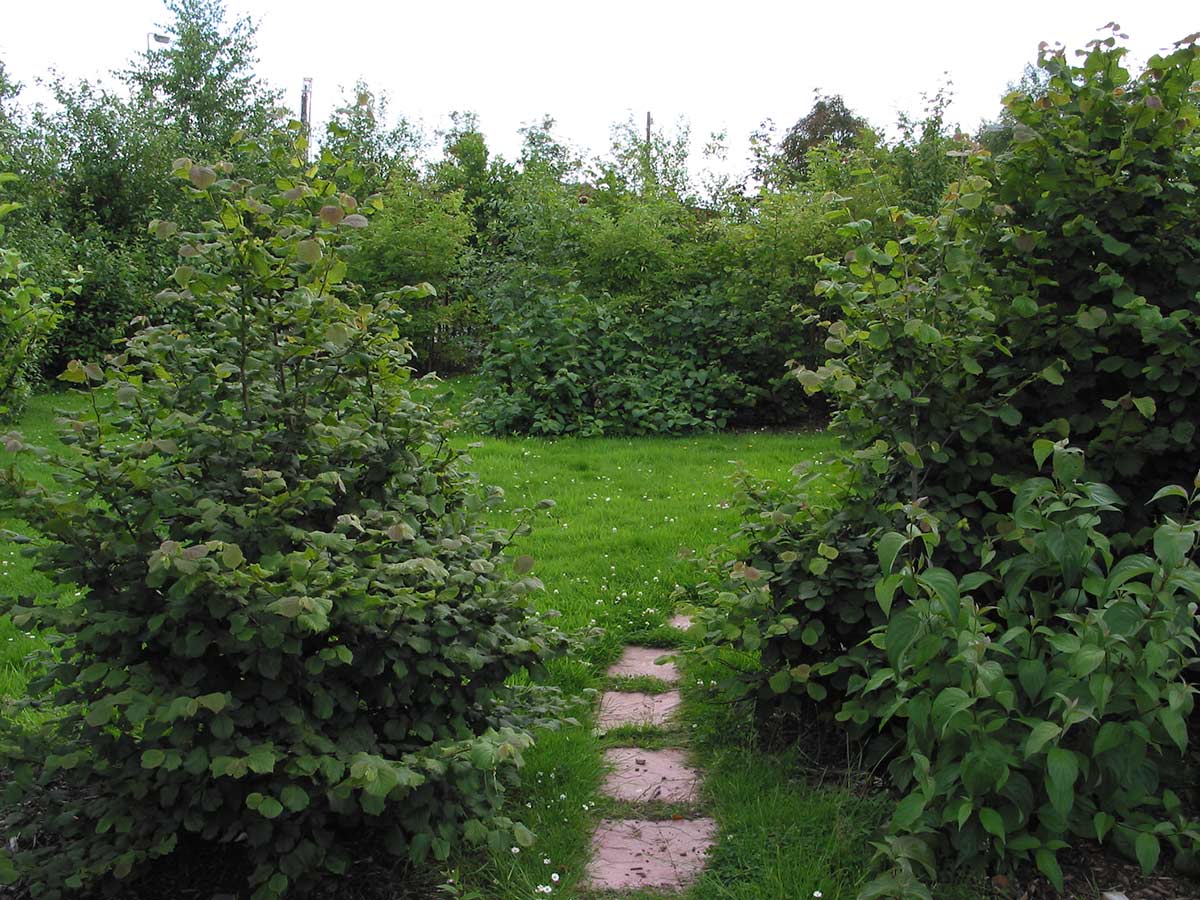
Spindle grows in either dry or moist soil which is usually rich in lime. It grows on the edges of woodlands and in hedges.

Key facts about Spindle
Common name(s)
Spindle
Scientific name
Euonymus europaeus
Common family name
Staff vine
Scientific family name
Celastraceae
- How to grow Spindle
Where does grow?
Lorem ipsum dolor sit amet, consectetur adipiscing elit, sed do eiusmod tempor.
- W8 Lowland mixed broadleaved woodland with dog’s mercury
- W12 Beech-ash woodland with dog’s mercury
- Edge plants suitable for open woods, woodland edges or hedges
- Plants for shrub layer under high forest trees
Characteristics of Spindle
The following characteristics give us all the clues we need to identify a Spindle.
Leaves

Spindle’s leaves appear at the same time as the flowers in May and June.
They are elliptical with fine teeth on their edges. In the autumn, spindle can be readily identified by its intense red colouration.
Flowers

At the base of the tiny inconspicuous flowers is a ring-shaped bulge. On this bulge is a morsel of nectar that attracts insects to help with pollination. The flowers appear in May and June.
Fruit
Spindle fruits are perhaps the most unusual of all our native trees and shrubs. They consist of green ‘capsules’ that become bright pink when they are ripe in September and October.
Each capsule has 4 compartments. In each compartment is a whiteish seed within an orange ‘cover’.
Bark

The young bark is smooth and greenish. When the tree ages a little the bark becomes grey with vertical stripes.
In cross-section, a typical young branch of spindle is square. At each corner of this square is a ‘corky’ growth.